05.2 §1What Runs in Rochester
Kodak Alaris is not Eastman Kodak. When Eastman Kodak filed for Chapter 11 bankruptcy protection in January 2012, the photographic paper and film business passed — through a transaction completed in 2013 — to the Kodak Pension Plan, the UK-based trust that became the parent entity of Kodak Alaris. Rochester, New York, remained the manufacturing site. Kodak Alaris describes its film products as manufactured there under licence from Eastman Kodak, which retained the underlying chemistry intellectual property.
The emulsions currently in production under the Kodak Alaris banner include GOLD 200, ColorPlus 200, UltraMax 400, EKTAR 100, and PROFESSIONAL EKTACHROME E100 — the reversal film whose return in 2018 was the sharpest signal that the coating line had survived with genuine capacity intact. The professional black-and-white range includes T-MAX 100 and T-MAX 400, both tabular-grain emulsions first introduced in the 1980s, alongside PROFESSIONAL TRI-X 400, a cubic-grain formula with a lineage reaching back to 1954. PROFESSIONAL BW400CN, a chromogenic black-and-white film designed for C-41 processing, rounds out what remains of the professional catalogue.

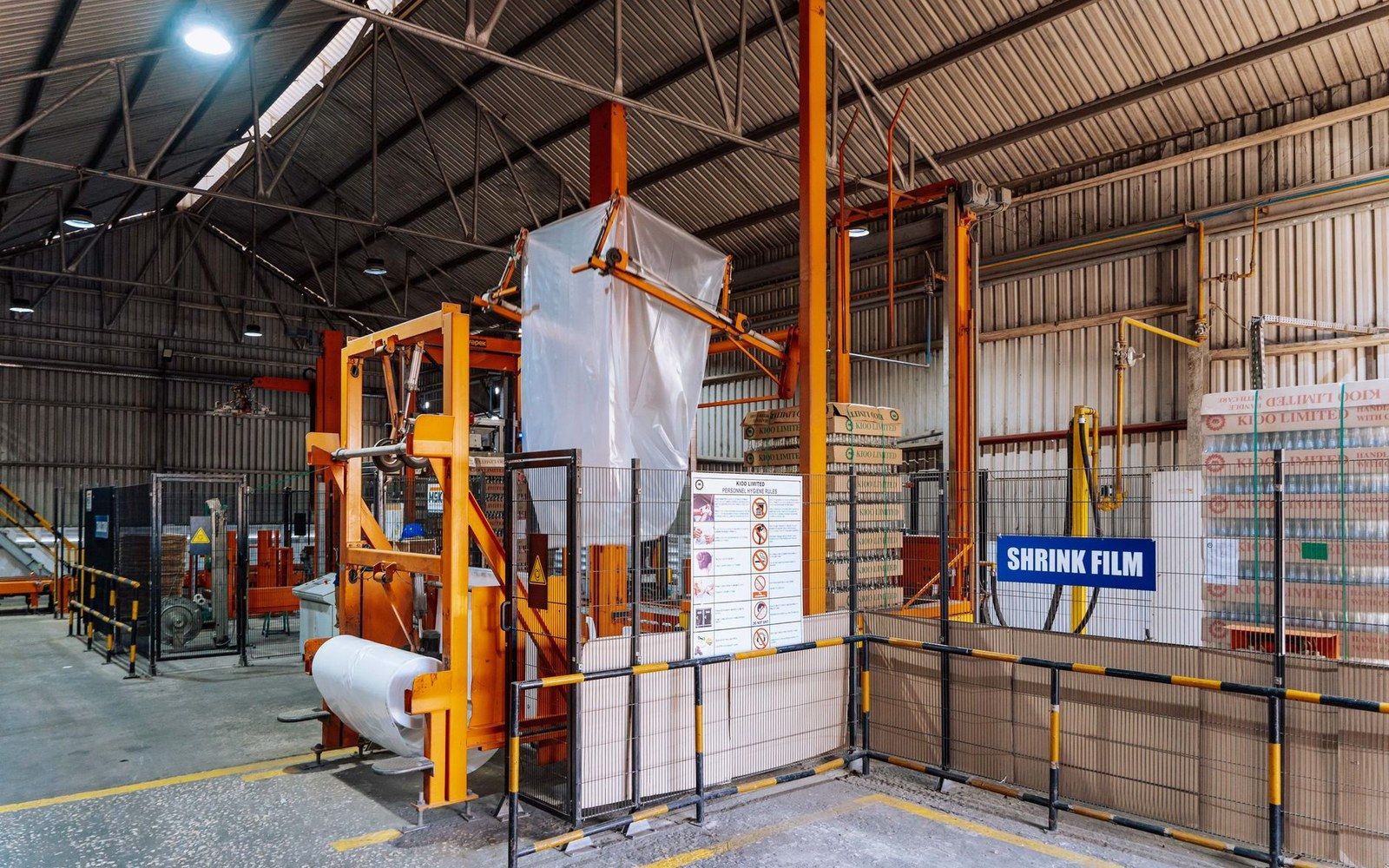
What this list represents, mechanically, is the operation of a precision coating line — machinery that lays multiple emulsion layers onto a moving polyester base at speeds and tolerances that cannot be quickly replicated. Building a new coating line from raw engineering is a capital and time commitment measured in years and hundreds of millions of dollars, which is precisely why so few manufacturers have attempted it. Kodak's Rochester facility had that infrastructure. Kodak Alaris inherited the access.
05.2 §2Capacity and the Scale Question
The volume the Rochester line now produces is a fraction of what Eastman Kodak shipped at peak. CIPA's interchangeable-lens shipment data has documented a camera market that contracted sharply from its 2012 peak, but the film market's own contraction preceded even that — global film shipments peaked in roughly 2000 and fell by more than 90 percent before stabilising in the early 2010s. The stabilisation is what matters here: the line did not close because demand reached zero, and since approximately 2013, demand has moved in the other direction.
PROFESSIONAL BW400CN, a chromogenic black-and-white film designed for C-41 processing, rounds out what remains of the professional catalogue.
Kodak Alaris has not published specific coating volume or production capacity figures. What the public record does show is a series of SKU reinstatements. EKTACHROME E100 was discontinued in 2012, then reformulated and relaunched in 35 mm in 2018. The 120 format followed in 2019. An 8mm cine version was added in collaboration with Kodak's separate motion picture division. Each relaunch required not just chemistry but a tooled production run — an operational commitment, not a marketing exercise.
PROFESSIONAL EKTAR 100 in 4×5 sheet form was reintroduced in 2021, a format requiring different coating and cutting infrastructure from roll film. The sheet film relaunch in particular indicates that the Rochester facility retained or restored more than a single production configuration.
05.2 §3A Survivor's Position
The competitive landscape around Kodak Alaris has thinned considerably. Fujifilm, which operated coating lines in Japan, discontinued Velvia 50 in 35mm in 2023 for some markets, and has reduced its colour negative portfolio through the 2010s and 2020s. Agfa-Gevaert exited consumer film. The manufacturers now actively coating and selling colour negative and reversal film at industrial scale can be counted on one hand, and Kodak Alaris is among them.
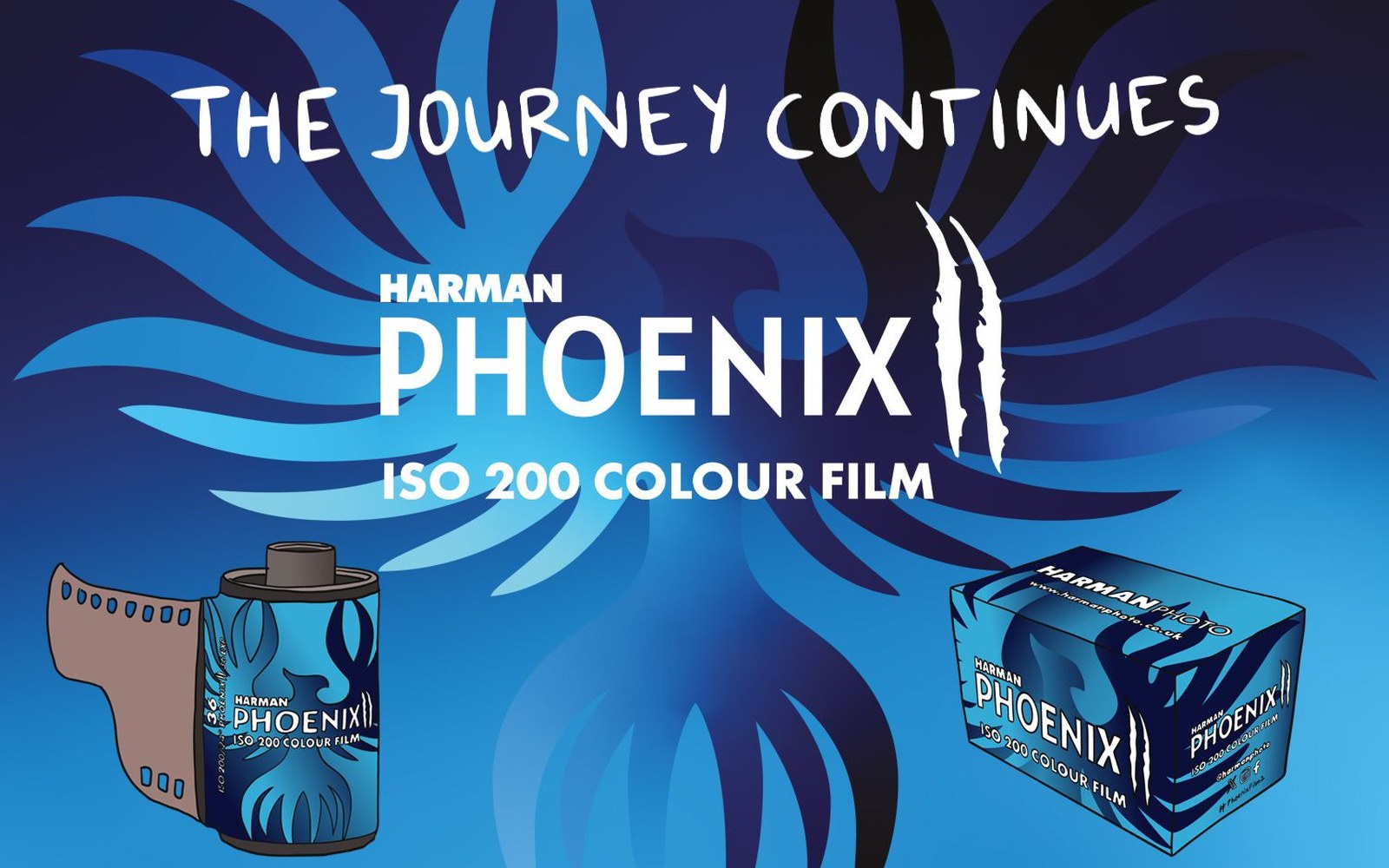
Harman Technology — the independent UK operation behind Ilford's black-and-white emulsions — occupies an analogous position in monochrome: a facility that survived contraction by being the last one standing and then finding that demand, cautiously, returned. Rochester's situation mirrors it in colour.
What the Rochester line is not is a growth business in any conventional sense. What it is, precisely, is a coating operation that kept running when most of the industry had already written the sentence past tense — and that now ships emulsions to a market small enough to be served by one surviving line.