The mirror had one engineering job it did exceptionally well
The reflex mirror in a DSLR is commonly framed as a liability: it is loud, prone to vibration, and blocks the sensor during exposure. That framing is accurate. So is the less-discussed corollary: for phase-detect autofocus, the mirror's geometry was close to optimal.
Phase-detect autofocus works by splitting incoming light into two paths and measuring the offset between the images they produce. The direction and magnitude of that offset tells the focus motor which way to move and by how much — a single calculation, no hunting required. What determines the quality of that measurement is baseline: the wider the separation between the two light paths, the more precisely the system can read defocus. A shallow offset is hard to measure; a wide one is not.
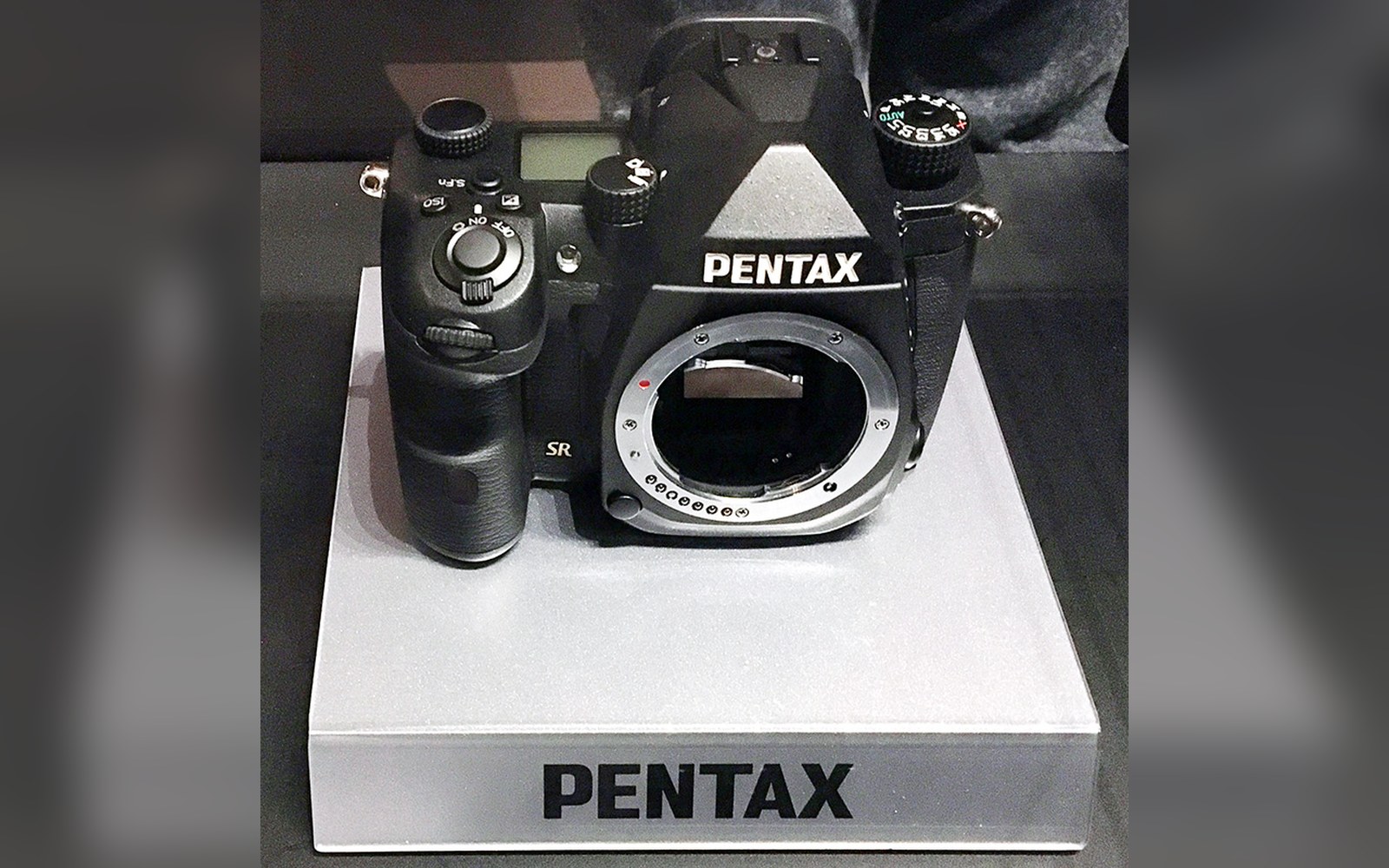
In a DSLR, the main mirror is partially silvered at its centre. Light passing through that region strikes a small secondary mirror mounted behind the primary, which deflects it downward into a dedicated phase-detect module sitting beneath the mirror box. That module sits entirely outside the imaging path, which means it can be engineered for autofocus alone. The two AF sensor arrays inside it are separated by a fixed baseline matched to the lens's maximum aperture — physically far apart, measuring a large and readable phase difference. The system's phase-detect autofocus precision improves as that baseline widens.
On a mirrorless body, phase detection moves onto the imaging sensor itself. The approach is different in kind. Pairs of masked photodiodes are embedded in the pixel array, each pair seeing slightly different angles of the incoming cone of light. The baseline between them is the pixel pitch of the sensor — typically a few micrometres. Where a DSLR's dedicated AF module works across a physically large separation, on-sensor PDAF works across a distance measured in thousandths of a millimetre. That the two approaches achieve comparable results in good light is a significant feat of signal processing; it is not evidence that the underlying measurement is equivalent.
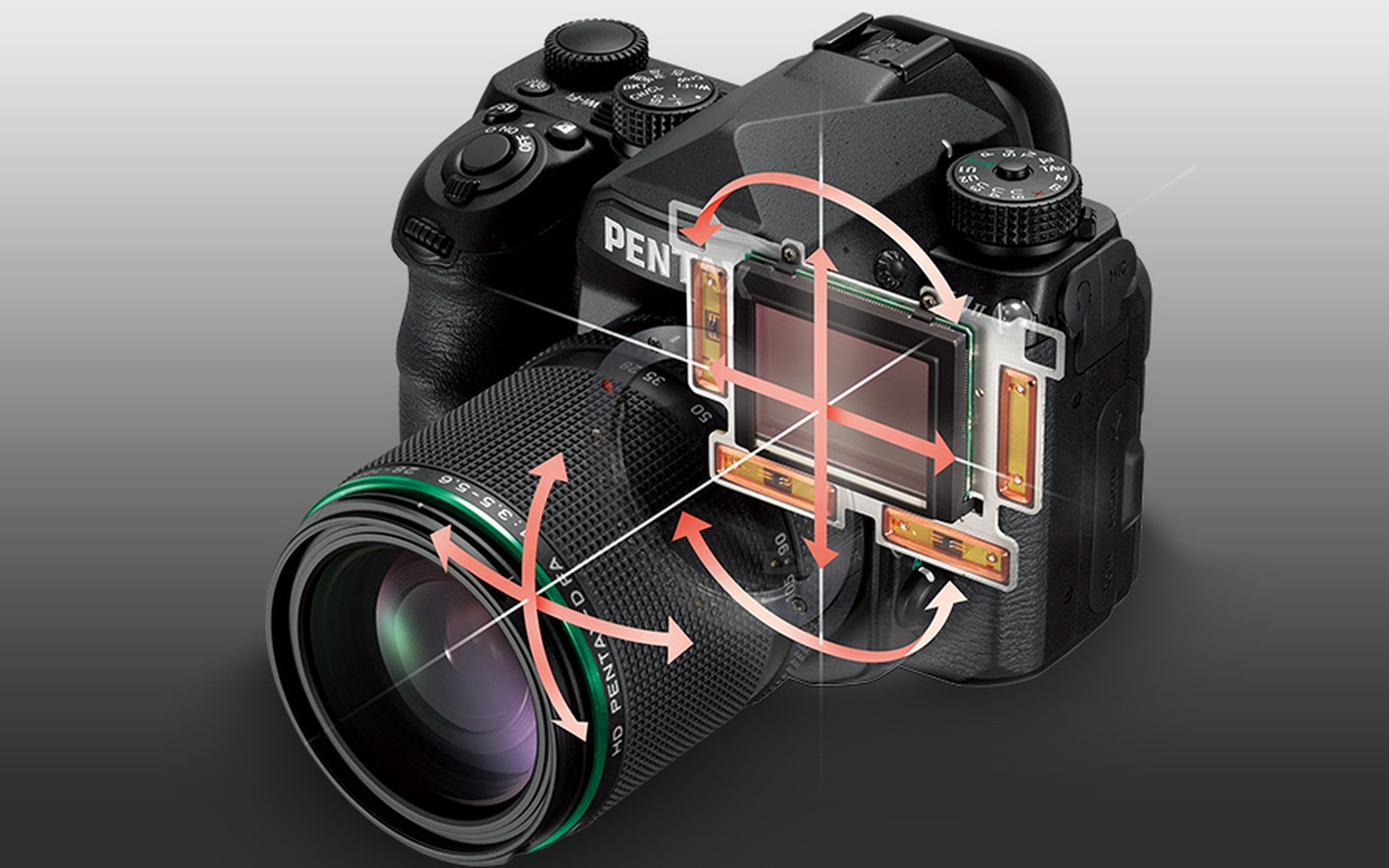
The practical consequence shows in low light and at narrow apertures. A large-baseline phase-detect module reads a real geometric offset with relatively little ambiguity. An on-sensor system extracts its phase signal from a small difference between adjacent masked pixels, buried in noise as illumination drops. Processing and machine learning have narrowed that gap considerably — Sony's hybrid AF implementations and Canon's Dual Pixel CMOS AF both demonstrate this — but the gap is a consequence of geometry, not firmware.
The mirror, in other words, bought autofocus a large baseline for free. It also blocked the sensor, required a separate exposure mechanism, and added mechanical complexity. The CIPA shipment record since 2012 shows where that trade-off landed. The point is not that the mirror was worth keeping. It is that its autofocus geometry was genuinely good, and its replacement required real engineering to compensate for what it gave up.
Where this comes from
- CIPA shipment record since 2012 · en.wikipedia.org