
02.4 §1Two Lines, Two Missions
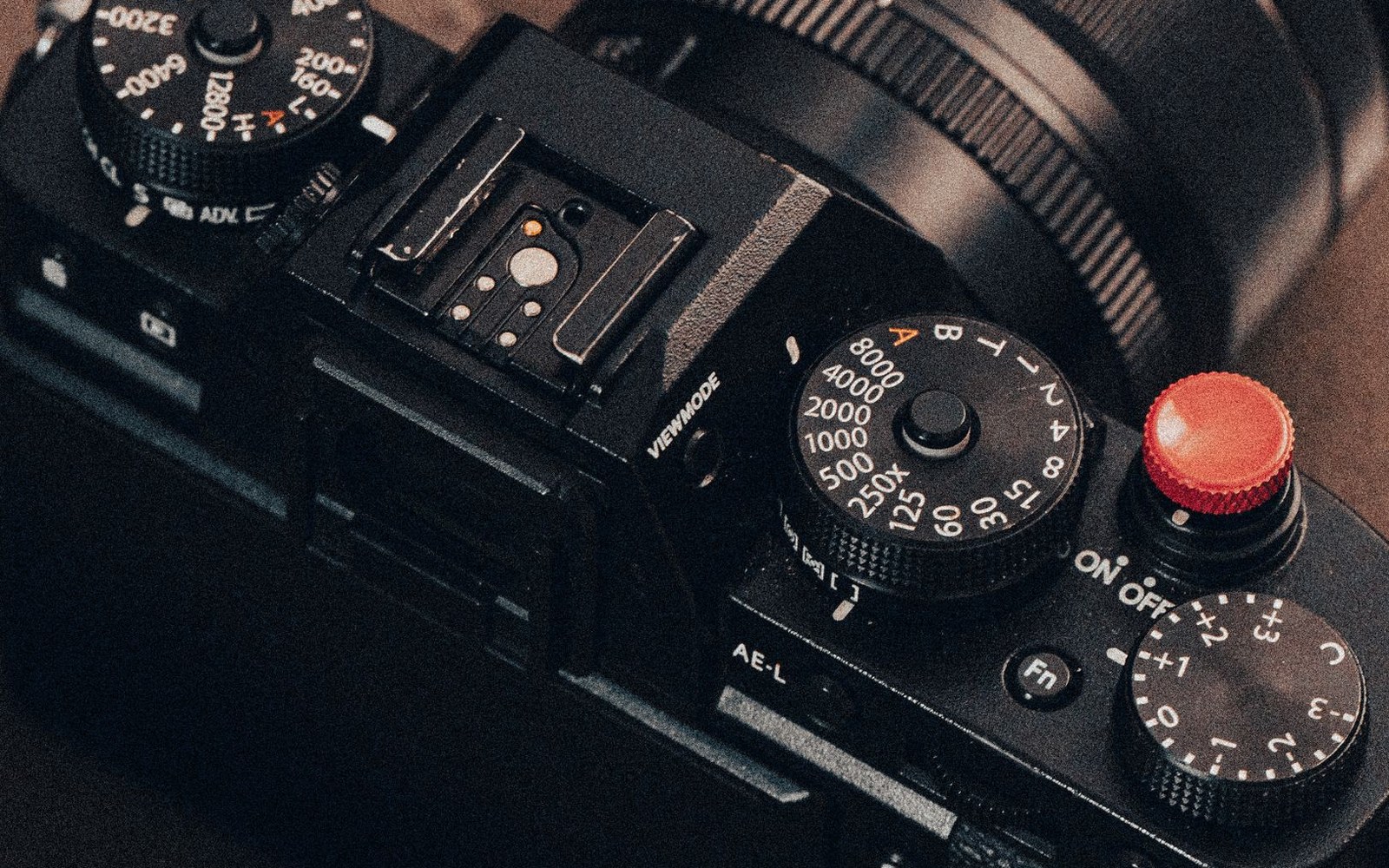
The X100VI arrived in February 2024 with a 40.2-megapixel back-side illuminated X-Trans CMOS 5 HR sensor — the same sensor used in the X-T5 — paired with a fixed 23mm f/2 lens and Fujifilm's fifth-generation image processor. Retail allocation was demonstrably short from launch, with authorised dealers across North America, Europe and Japan reporting waitlists measured in months rather than days. Fujifilm's own communications acknowledged the gap between demand and supply, attributing it broadly to component procurement constraints. The camera sat at a price point where a working photographer might justify it and an enthusiast absolutely would — which is precisely the market it found.
The GFX line operates in a different register entirely. The GFX 100S II, announced in 2024, carries a 102-megapixel medium-format BSI CMOS sensor with a physical imaging area substantially larger than any APS-C or 35mm full-frame chip — roughly 43.8 × 32.9 mm against full-frame's 36 × 24 mm. Pixel pitch at that sensor size produces files suited to large-format reproduction, commercial studio work and any application where a 40-megapixel APS-C crop would be a deliberate quality downgrade. In-body image stabilisation on the GFX 100S II is rated to eight stops of correction, a figure that partly compensates for the handling penalty the larger sensor imposes.
02.4 §2What the Numbers Suggest
CIPA's interchangeable-lens shipment data shows the total market has contracted sharply from its 2012 peak, with volume falling and average selling prices rising. Fujifilm's positioning sits neatly inside that trend. The GFX system — G-mount bodies and a native lens roster that now extends to over twenty options — addresses the shrinking but financially durable segment where buyers spend more per unit. The X100VI addresses a different hunger: the fixed-lens premium compact, a category that also collapsed in volume during the smartphone era but which retains a committed buyer when the specification is right and the aesthetic is considered.
These are not competing bets. They are a single company reading two surviving niches simultaneously. The X-series X-Trans sensor, with its non-Bayer colour filter pattern, is a deliberate engineering distinction from the Sony-sourced Bayer arrays used by most of the industry. The GFX medium format is a scale distinction — not a gimmick, but a physical consequence of fitting more silicon per frame. Running both requires manufacturing breadth and a lens roadmap commitment at each mount. Fujifilm has maintained both, which is itself the statement.
Where this comes from
- CIPA's interchangeable-lens shipment data · www.cipa.jp