
02.3 §1The Supplier Behind the Brands
Sony Semiconductor Solutions Corporation, headquartered in Atsugi, operates as a separate subsidiary within the Sony Group, with fabrication facilities across Japan. Its image sensor division holds the largest share of the global CMOS image sensor market by revenue, a position it has maintained for more than a decade. That market position is built not only on sensors inside Sony cameras but on sensors inside cameras marketed by companies that compete directly with Sony's imaging division.
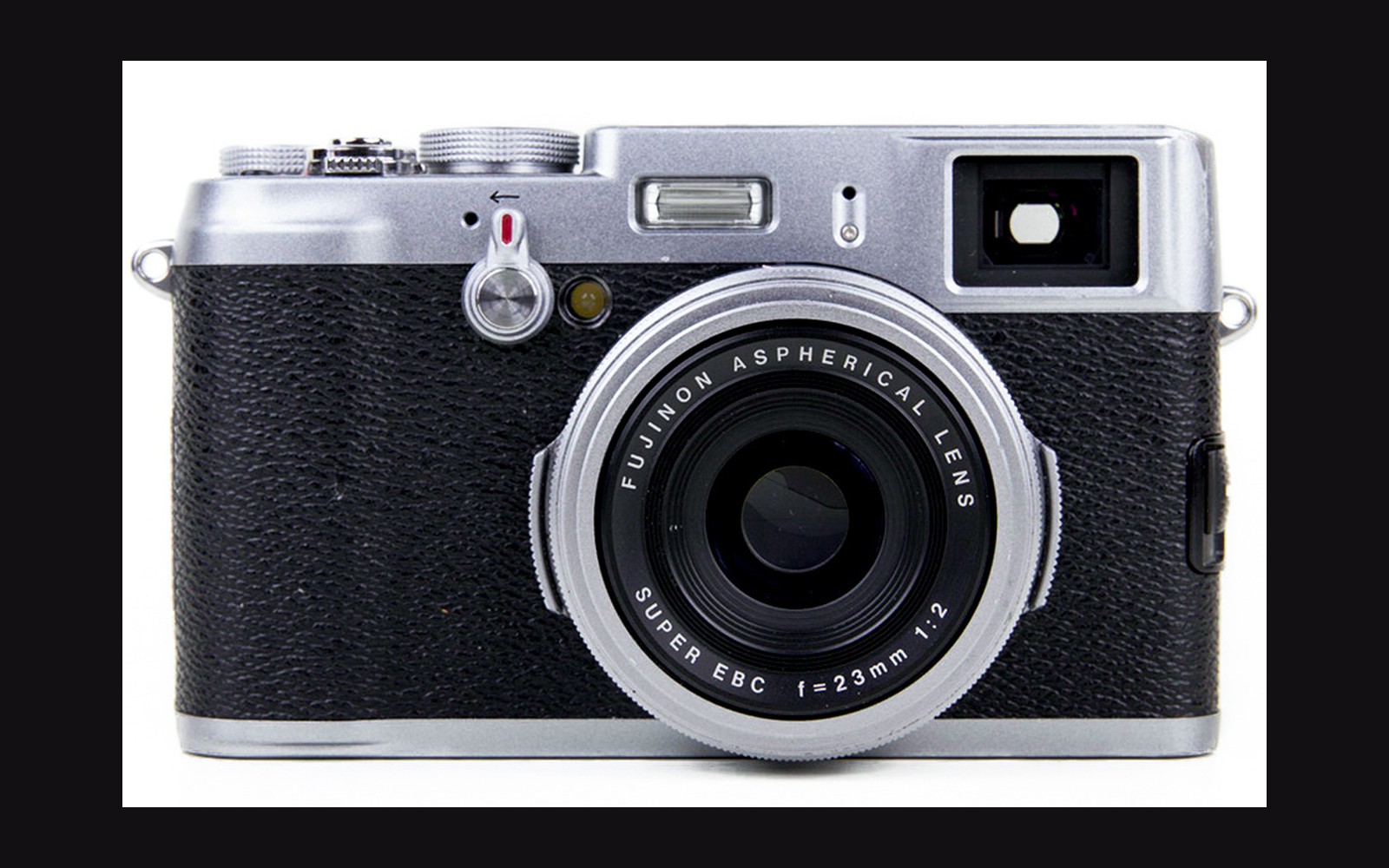
The supply relationships are a matter of public record and industry disclosure rather than speculation. Nikon has publicly attributed the sensor in the D800 to Sony; subsequent Nikon DSLR and early mirrorless sensor attributions have been confirmed through teardowns and partial disclosure. Fujifilm sources image sensors from Sony Semiconductor for its X-series APS-C bodies. Ricoh's K-3 Mark III carries a 25.7 MP APS-C sensor whose silicon originates with Sony Semiconductor — a supply relationship consistent with Ricoh's own manufacturing position, which does not include an in-house sensor fabrication line.

Canon is the notable exception that sharpens the rule. Canon designs and fabricates its own CMOS sensors at its Tatsuno plant in Nagano Prefecture, which means its bodies sit outside the Sony supply chain. That independence is structurally significant: Canon's sensor development decisions, its pixel architecture choices and its roadmap timelines are not contingent on a competitor's production schedule or pricing. For every other major ILC manufacturer outside Canon, Sony Semiconductor is somewhere in the picture.
02.3 §2One Division, Two Agendas
The structural oddity is not that a single company dominates sensor supply; component consolidation is routine in consumer electronics. The oddity is that Sony's imaging division — Sony Alpha, the maker of the A7 and A9 series — competes in the same interchangeable-lens market as the companies its semiconductor division supplies. Sony Semiconductor and Sony Imaging Products & Solutions are separate business units within the Sony Group, operating with distinct P&L accountability. Sony Semiconductor sells to Nikon because that sale is profitable regardless of what it does to Sony Alpha's market position. The semiconductor business does not exist to give the camera division a sensor advantage; it exists to generate revenue from silicon.
That structure produces real consequences. When Sony Semiconductor introduced stacked BSI sensor architecture — bonding the pixel array and readout circuitry on separate silicon layers — it appeared first in Sony's own products, then propagated to licensees and customers on whatever supply timeline those contracts specified. A Nikon or Ricoh body gains access to that architecture when Sony Semiconductor decides to offer it, not when it would be most convenient for the camera division in question to have it. The sensor roadmap, in practical terms, belongs to the supplier.
For Ricoh specifically, this is a constraint with no obvious resolution. Building a sensor fabrication line requires capital expenditure and process expertise that would dwarf Ricoh's entire imaging division revenue. The alternative — designing a proprietary sensor and contracting fabrication to a foundry — is the route Leica has explored at medium-format scale, but it is not a path available to a manufacturer operating at Ricoh's volumes and margins. Sony Semiconductor's pricing and availability are structural facts of Ricoh's product planning, not choices it makes.
The CIPA shipment data for interchangeable-lens cameras document a market that contracted sharply from a 2012 peak and stabilised at a fraction of that volume. In a smaller market, the concentration of sensor supply has only intensified. Fewer manufacturers can justify independent sensor development; the ones who cannot become more reliant on the one competitor that can. That is the industry's current geometry — and it applies whether the camera on the shelf says Nikon, Fujifilm, Pentax or Sony.
Where this comes from
- the largest share of the global CMOS image sensor market by revenue · en.wikipedia.org
- CIPA shipment data · www.cipa.jp