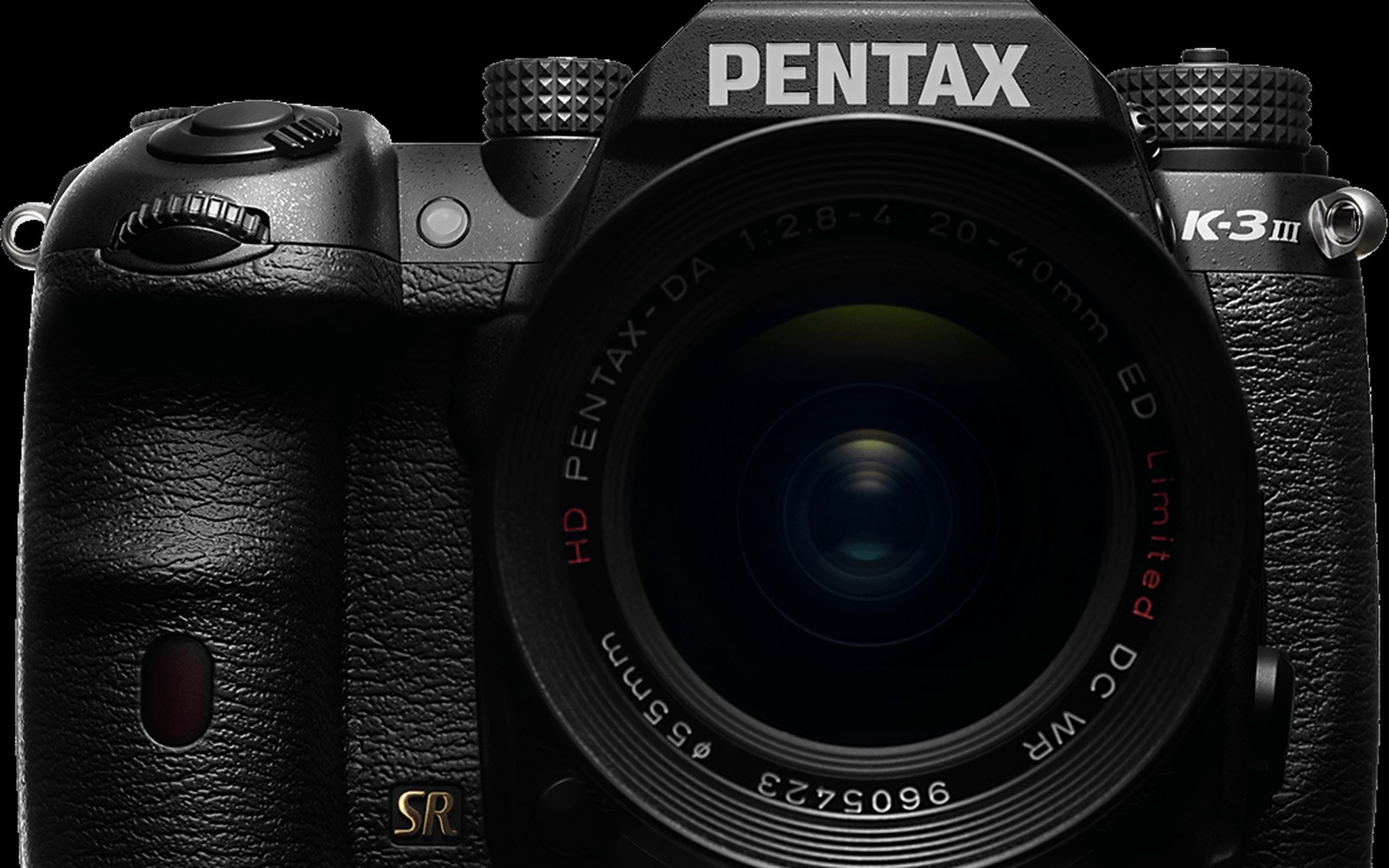
01.5 §1What the Number Covers
Ricoh's specification sheet for the K-3 Mark III lists 95 weather-resistance seals distributed across the body. The count is real — Ricoh engineers have documented every gasket, O-ring and barrier applied to buttons, dials, card slots, battery compartments and body seams. It is a meaningful piece of engineering. It is not an IP rating.
The International Electrotechnical Commission's IEC 60529 standard assigns IP codes — IPX4, IP67, IP68 and so on — based on controlled laboratory tests with defined water pressures, spray angles, immersion depths and durations. A manufacturer submits a product, a certified laboratory runs it through the protocol, and the result is a pass or fail against a published threshold. The K-3 Mark III has none of that. Ricoh has not submitted the body for IEC 60529 certification, and the specification sheet carries no IP code.
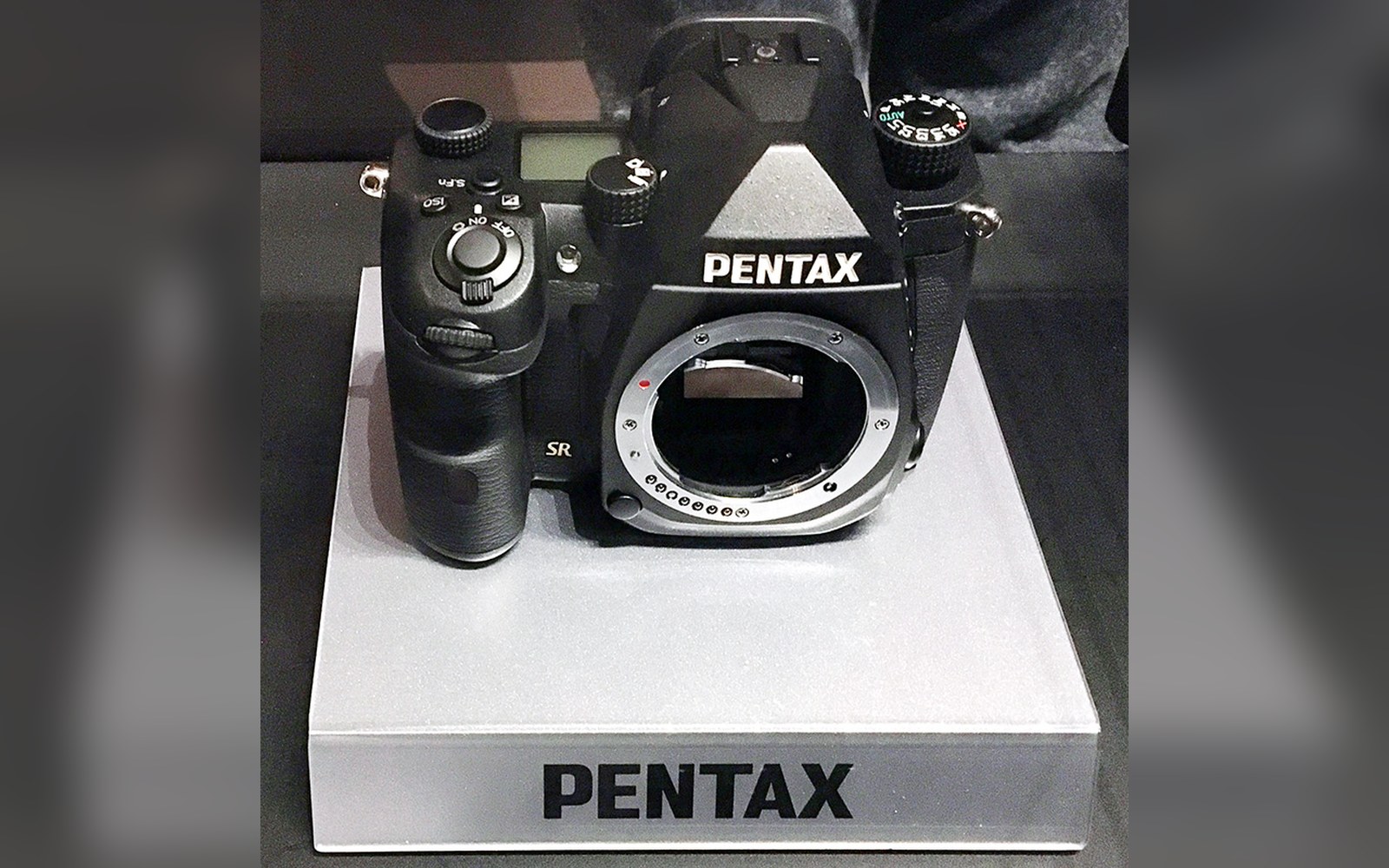
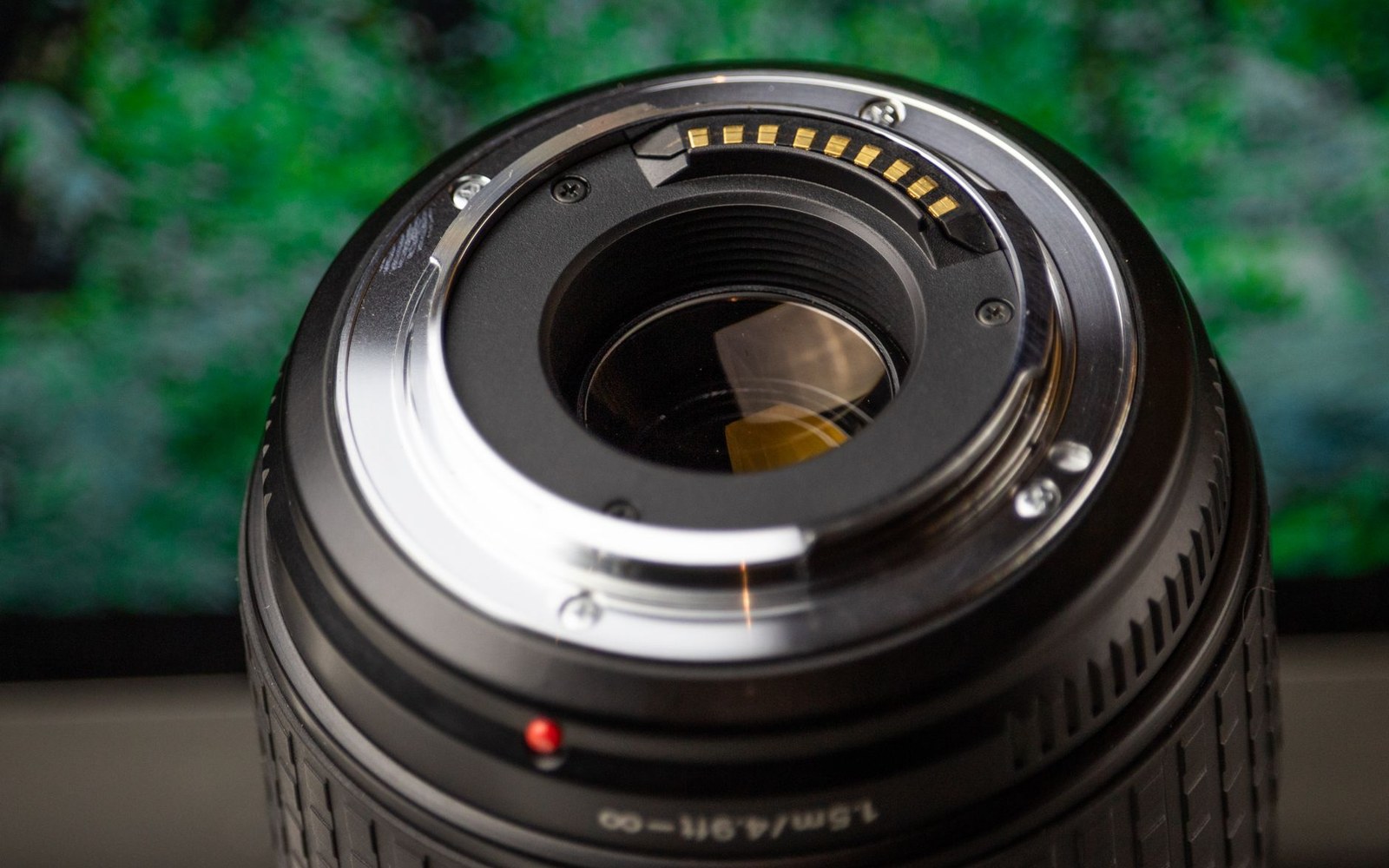
What Ricoh calls "weather resistance" is a construction descriptor, not a tested performance rating. The company advises against use in heavy rain, near surf, or in conditions where water could accumulate. That language is in the published documentation. The 95-seal figure describes how the body was built; it says nothing about how long, or at what intensity, that construction holds.
01.5 §2The Gap the Number Cannot Close
Seal count without a test protocol is a design intent, not a guarantee. A body with 95 seals might outperform one with 60. It might not. Without a standardised test — controlled temperature cycling, defined spray pressure, measured ingress after a fixed duration — there is no external reference point for comparison. Canon, Nikon and Sony all face the same ambiguity when they describe bodies as "weather-sealed" without IP certification; the CIPA shipment data that tracks this industry records units shipped, not durability claims validated.
Ricoh's 95-seal figure is higher than competitors typically publish, and the K-3 Mark III body is visibly well-constructed. Neither of those facts translates into a testable standard. Photographers who work in genuinely hostile conditions — sustained rain, salt spray, construction sites — should treat the claim as an engineering indicator and carry appropriate protection regardless. A number on a spec sheet is a starting point for engineering confidence, not a ceiling for environmental exposure.
Where this comes from
- IEC 60529 standard · en.wikipedia.org
- CIPA · en.wikipedia.org