04.7 §1The Number That Decides Everything
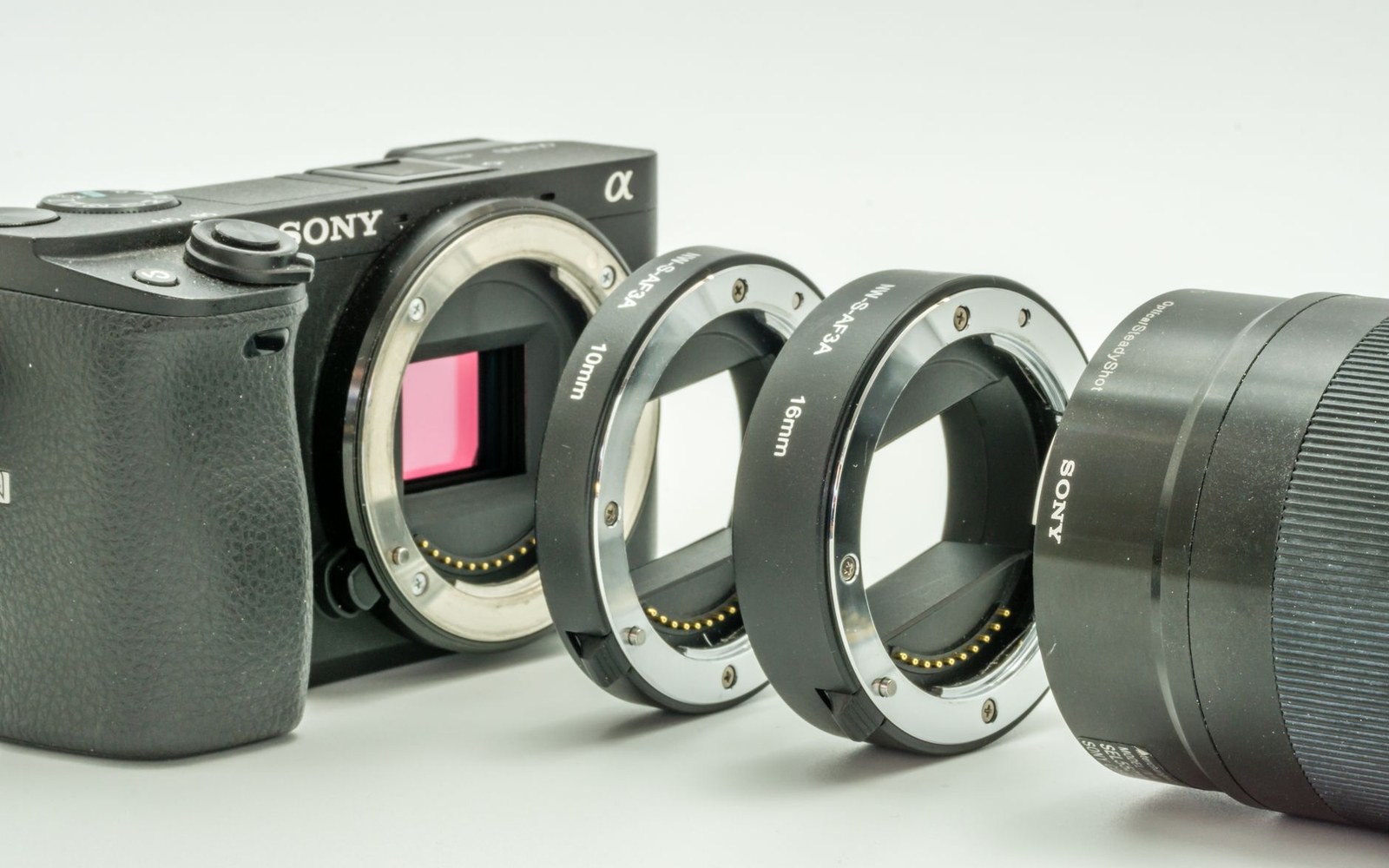
Every interchangeable-lens camera has a flange distance: the gap between the mount's reference flange and the film or sensor plane. It is a fixed mechanical commitment, chosen at the moment a mount is designed and, for practical purposes, immutable thereafter.
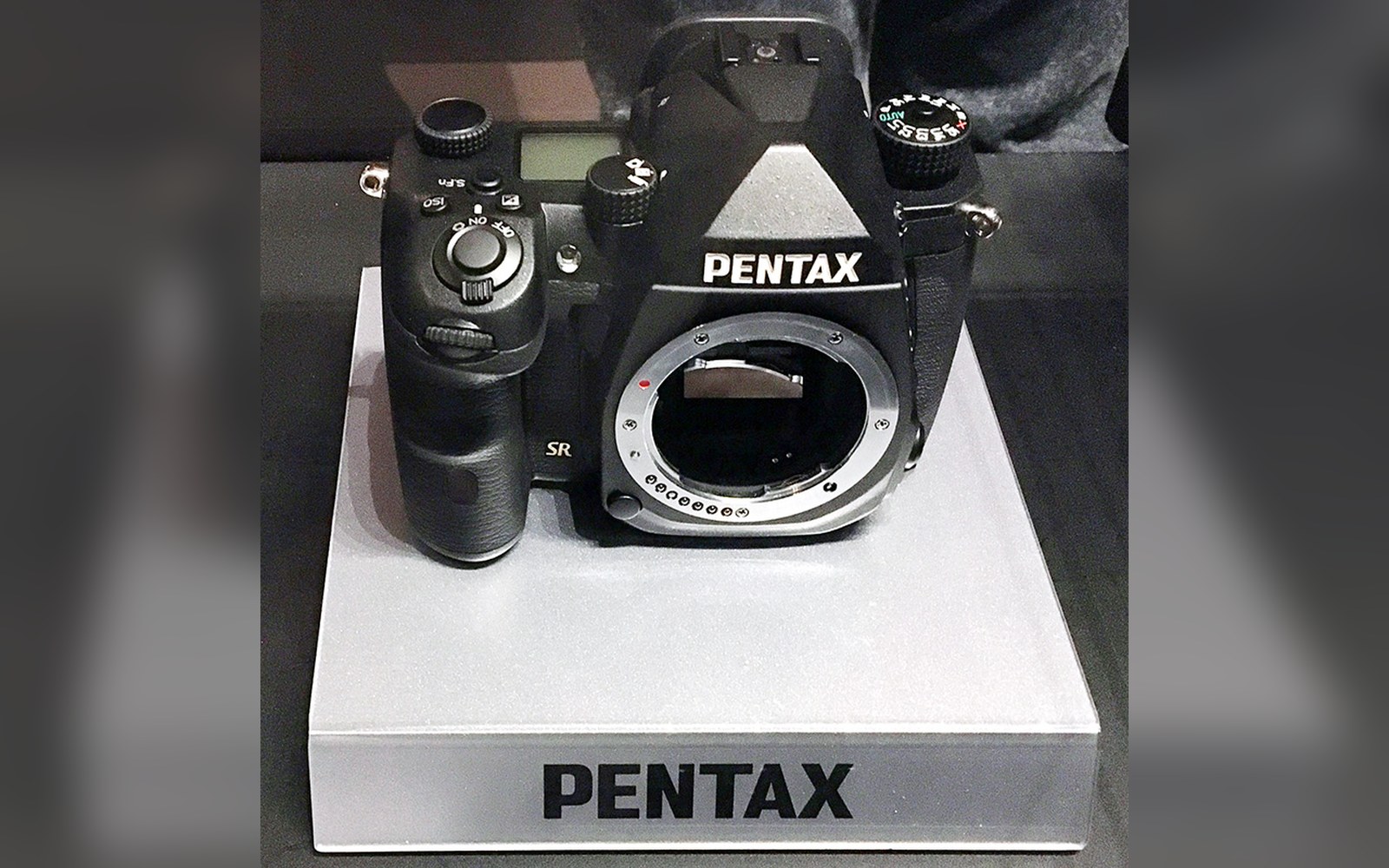
The K-mount, introduced by Pentax in 1975, sets that distance at 45.46 mm. Sony's E-mount, designed from the outset for mirrorless bodies, sets it at 18 mm. Those two numbers contain the entire logic of the adapter market.
04.7 §2The Rule, Stated Simply
A lens made for a long-flange mount carries all of its optical elements at a distance calibrated to place the focal plane 45.46 mm behind the flange. Mount that lens on a body with a shorter flange distance — say, 18 mm — and there is a 27.46 mm air gap that was never filled. An adapter fills it. The glass moves no closer to the sensor than the lens designer intended; infinity focus is preserved; the image forms correctly.
Run the equation the other way and no mechanical solution exists. A lens designed for an 18 mm flange distance cannot be mounted on a body requiring 45.46 mm without pulling the rear elements physically inside the mirror box or sensor cavity. No thin ring of metal fixes that. The lens would need to be optically redesigned, which is no longer an adapter — it is a new lens.
This asymmetry is the reason K-mount lenses adapt freely to Sony E-mount, Nikon Z (16 mm flange), Canon RF (20 mm flange), and every other short-flange mirrorless system, while native mirrorless lenses cannot run the other direction without corrective optics that degrade the image. It also explains why the shift to mirrorless among Canon, Nikon and Sony created a sudden, large adapter market almost as a side effect: every DSLR owner with a legacy collection suddenly held lenses that were geometrically compatible with the new bodies.
For Pentax, the arithmetic cuts differently. The K-mount's 45.46 mm flange distance means K-mount bodies can accept many SLR lenses — M42 screw-mount, for example — via dumb passive rings available for a few pounds. It also means K-mount lenses cannot be fitted to a mirrorless body without an adapter, though a simple spacer ring is enough. The mount is generous to its own lenses abroad, but lenses designed for a shorter flange distance cannot be adapted to it.
That single measurement — 45.46 mm, set in 1975 — explains both the richness of Pentax's adapter ecosystem and the hard ceiling above it. Flange distance is not a footnote in a camera specification; it is the specification that determines what a camera can become.