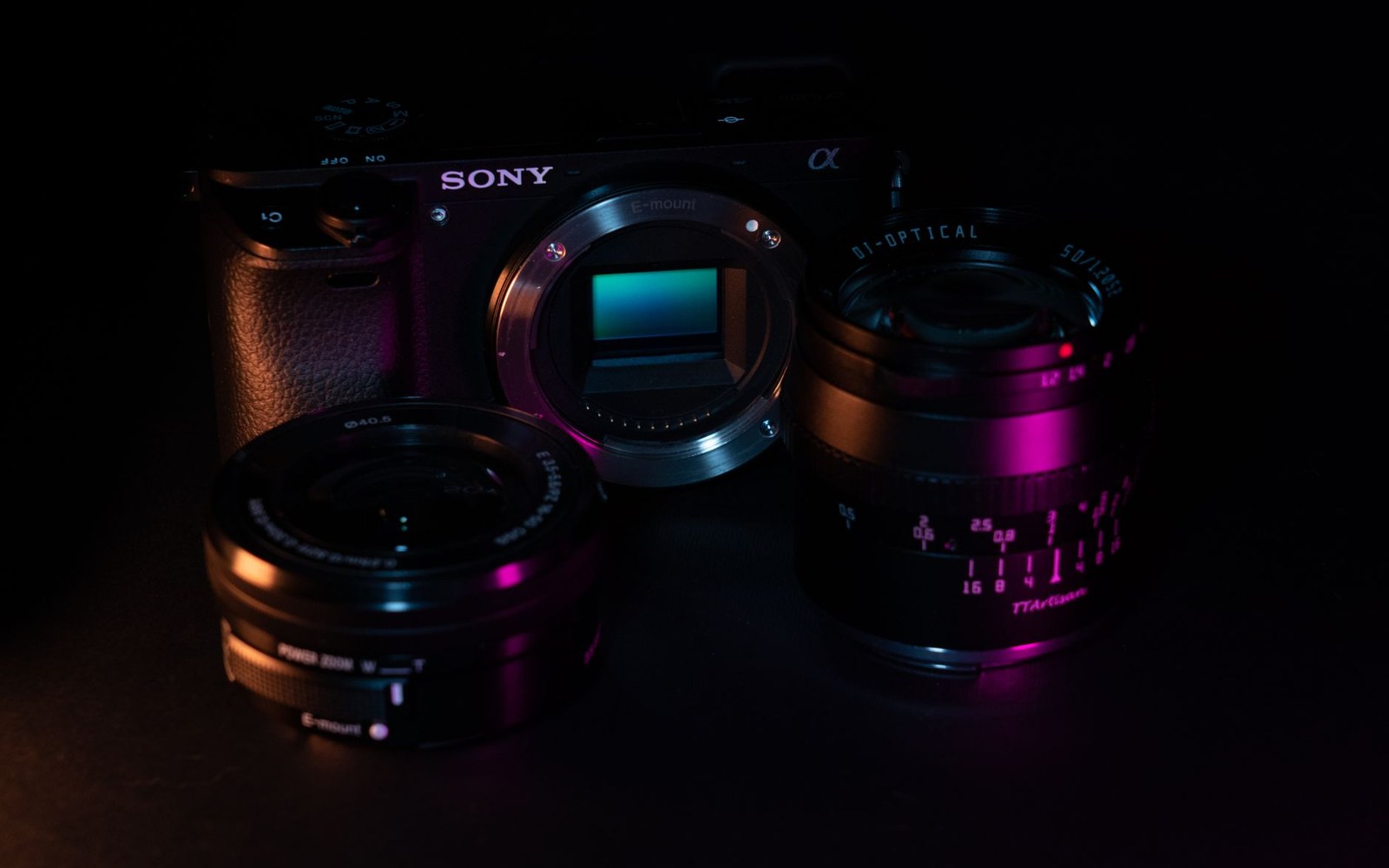
03.5 §1What the Lens Series Shows That the Body Series Does Not
CIPA's monthly shipment tables break interchangeable-lens cameras and interchangeable lenses into separate series, and most commentary collapses them into a single narrative of market contraction. That collapses the more interesting data. Body shipments peaked around 2012 alongside the broader camera market and have declined, with modest plateaus, ever since. Lens shipments followed a similar arc — until they didn't.
From roughly 2019 onward, lens unit volume held up better than body volume in several reported quarters. The reason is structural rather than cyclical. Sigma and Tamron, both established third-party makers with deep manufacturing capacity, moved aggressively into mirrorless coverage — building out lens catalogues for Sony E-mount first, then Canon RF-compatible and Nikon Z-compatible designs, then the L-Mount Alliance ecosystem shared by Panasonic, Leica and Sigma itself. A photographer who already owned a mirrorless body had a new reason to buy a lens from a maker other than the camera manufacturer. That transaction is recorded in CIPA's lens series but produces no corresponding increment in the body series.
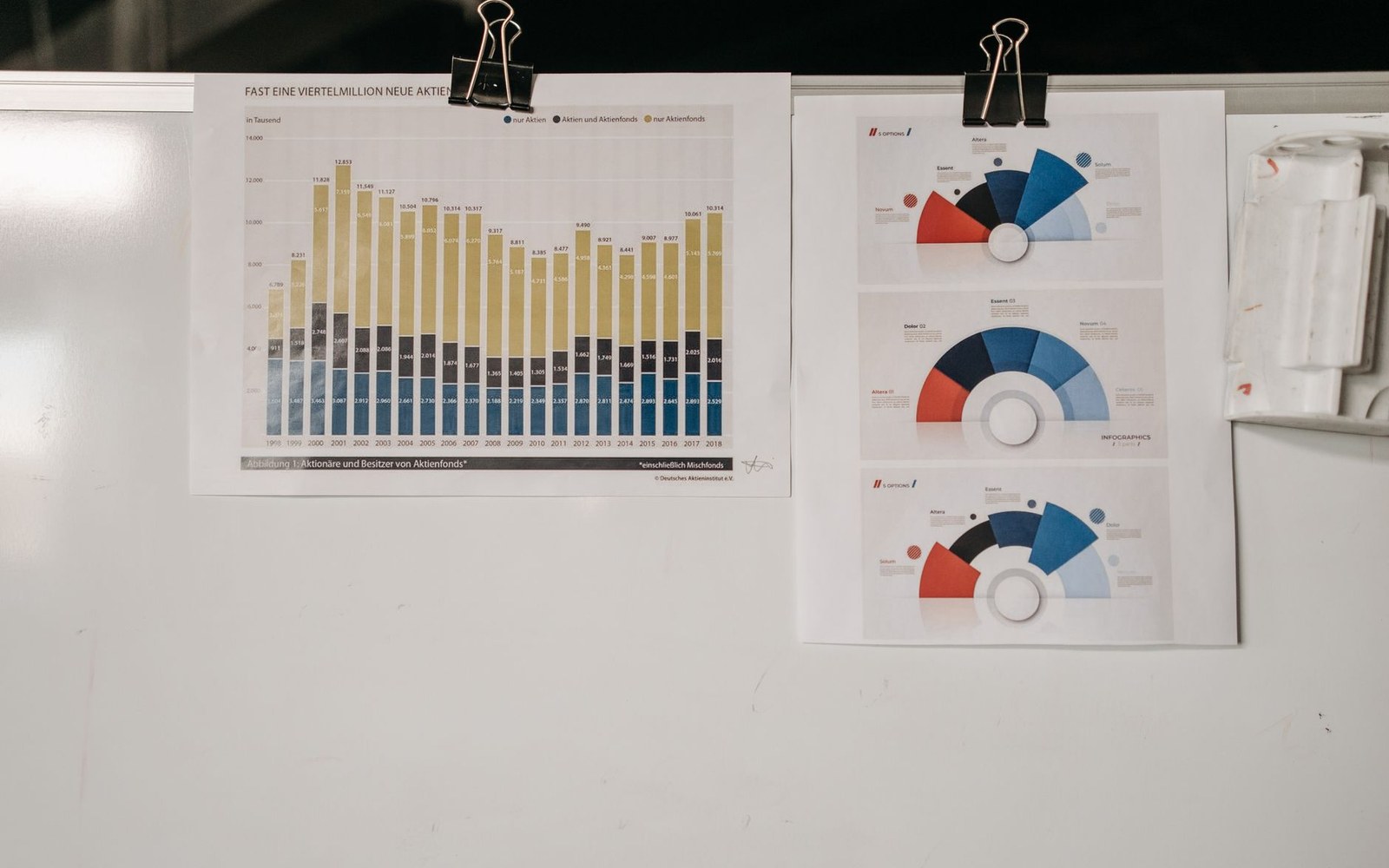
The effect is a divergence in the ratio. When body and lens shipments track closely, the installed base is growing: new bodies bring new lens purchases. When lenses outpace bodies — or decline more slowly — it signals that existing owners are expanding their kits, or that third-party catalogue growth is generating lens demand independent of body sales. Both describe the mirrorless transition better than any body-only read.
For Ricoh and the K-mount line, the divergence reads differently. Sigma and Tamron both produce K-mount lenses, but neither has invested in expanding that catalogue at the pace they applied to E-mount or L-mount. The HD Pentax-DA and D FA ranges that Ricoh maintains are the primary source of new K-mount glass, and that range has moved slowly. Lens variety is not a leading indicator for the K-mount system in the way it is for Sony or the L-Mount Alliance members; it is a trailing consequence of Ricoh's own roadmap decisions.

What the lens series does confirm is that the mirrorless transition has been a genuine expansion of lens market activity among the major mount families — just not distributed evenly. CIPA aggregates across all mounts and all makers, so rapid Sigma and Tamron output for E-mount registers in the total alongside Ricoh's comparatively constrained release cadence. Reading the aggregate as a single market trend misses which mounts are driving the lens numbers and which are passengers in them.
The body count tells you who is buying cameras. The lens count tells you whose ecosystem is being built.
Where this comes from
- CIPA's monthly shipment tables · www.cipa.jp
- L-Mount Alliance · www.l-mount.com