04.6 §1The Alphabet of Proprietary RAW
When a digital camera writes a RAW file, it does not write a universal document. It writes a manufacturer's container. Pentax bodies produce PEF files. Canon's R-series writes CR3. Nikon's cameras produce NEF. Sony outputs ARW. Fujifilm writes RAF. Each format encodes sensor data, white balance metadata, lens correction tables and camera-specific tone curves in ways the manufacturer controls and, in some cases, has never fully documented publicly. A file written today will need software written in the future — software whose authors may have no relationship with the company that designed the sensor.
Adobe's counter-proposal is DNG — Digital Negative — an open specification first published in 2004 and periodically revised since. DNG is itself a container: it can hold the raw sensor data, the metadata, and an embedded JPEG preview in a single file whose structure is publicly documented. Adobe's archival argument is direct. Proprietary formats require proprietary decoders; open formats require only compliance with a published specification. If Canon stops supporting CR3 in thirty years, every CR3 file in existence depends on whatever software Canon has left running. If DNG's specification survives — and as an ISO-related open standard it is designed to — any compliant application can read it.
04.6 §2Why Makers Keep Their Formats
The manufacturers' counter-argument is equally direct, if less often stated in public. A proprietary RAW file is a controlled surface. Canon can embed lens correction metadata in CR3 in a form that Canon's own software reads optimally. Nikon can embed subject-recognition data from its Z-series bodies in NEF in ways that favour Nikon's own workflow. Fujifilm's RAF encodes the Film Simulation applied at capture as metadata, visible in compatible software. These are not just wrappers; they are product extensions — formats that make first-party software stickier and give the maker continued relevance after the shutter press.
There is also a technical argument. DNG conversion is lossy in one specific sense: it can discard proprietary maker notes (the EXIF MakerNote block) that contain undocumented camera-internal data. Third-party conversion tools vary in how faithfully they preserve these fields. For forensic or scientific use cases, the original proprietary file is the primary record.
Adobe's counter-proposal is DNG — Digital Negative — an open specification first published in 2004 and periodically revised since.
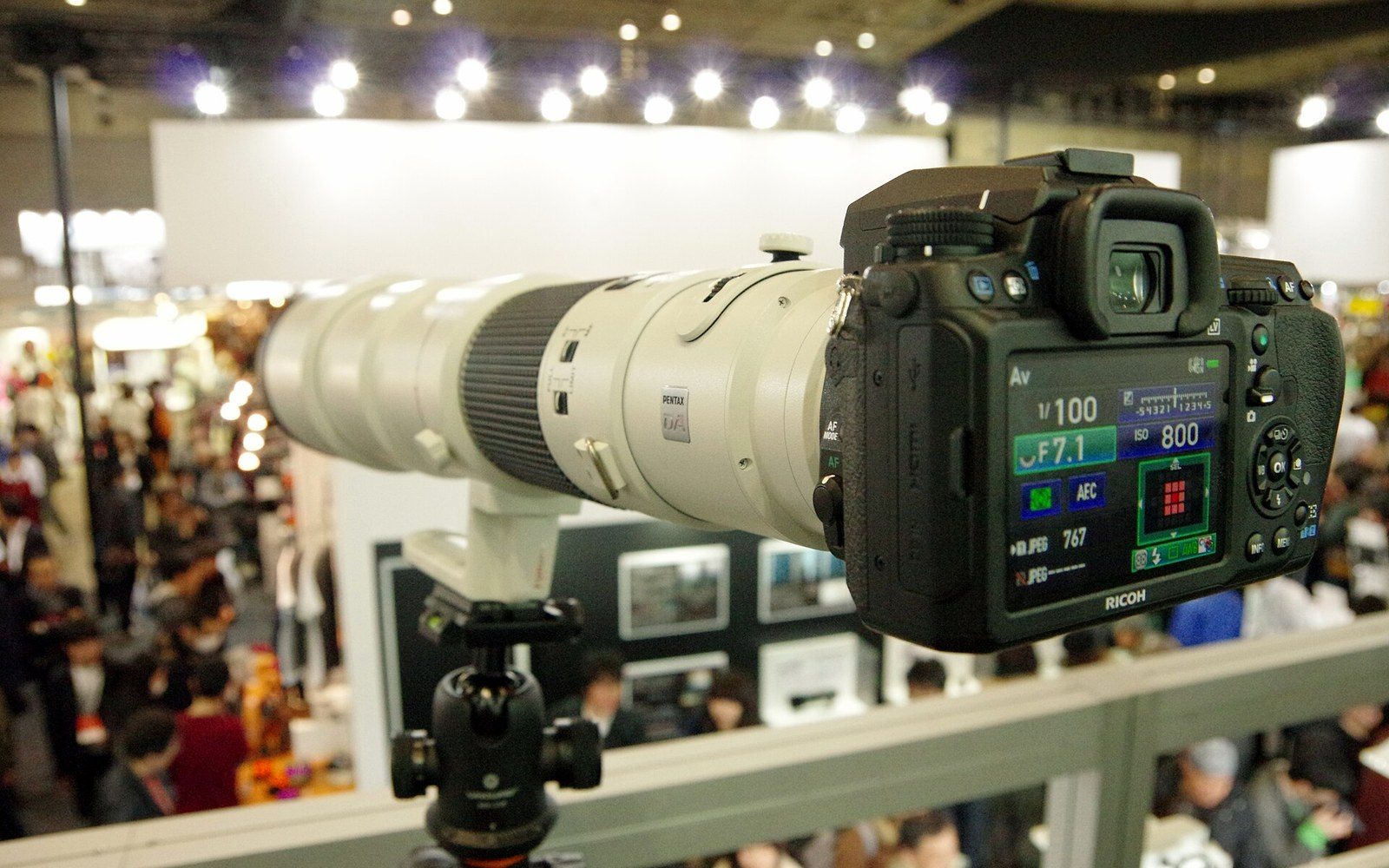
Ricoh occupies a specific position here. The K-3 Mark III and the K-3 III Monochrome both output PEF — Pentax Electronic Format — alongside DNG natively. Ricoh is one of the only mainstream camera makers that offers in-camera DNG capture as a shipping feature rather than requiring post-capture conversion. That decision aligns with Adobe's archival position and, practically, reduces dependency on Pentax-specific decoding software for anyone who wants to read their files in twenty years.
04.6 §3Who Controls the Archive
The archival stakes are not hypothetical. Konica Minolta's DSLR line ended in 2006. Its RAW format, MRW, is no longer supported by current versions of several major applications. Camera bodies from 2003 or 2004 that wrote MRW files represent a documented interoperability failure — not catastrophic, because open-source decoders such as dcraw have reverse-engineered many proprietary formats, but instructive. The organisations whose photography archives depend on software they do not control have begun to notice.
CIPA's shipment data — which shows volume declining from a 2012 peak toward a much smaller, premium-concentrated market — makes the format question sharper, not softer. Fewer manufacturers shipping fewer bodies means more companies that might exit the market, taking active support for their formats with them. OM Digital Solutions, which acquired Olympus's imaging division in 2021, now owns the ORF format. Phase One owns IIQ. Neither company is large. The question of who maintains the decoder is a corporate-continuity question as much as a technical one.
Adobe's position — that the industry should converge on DNG — has not changed since 2004. The manufacturers' collective answer, expressed through continued proprietary format development rather than any public statement, has not changed either. The archive sits in the middle, accumulating files in formats whose long-term readability depends on corporate decisions not yet made.
Where this comes from
- DNG — Digital Negative · en.wikipedia.org
- dcraw · en.wikipedia.org