01.4 §1One Tier Below, Not Two
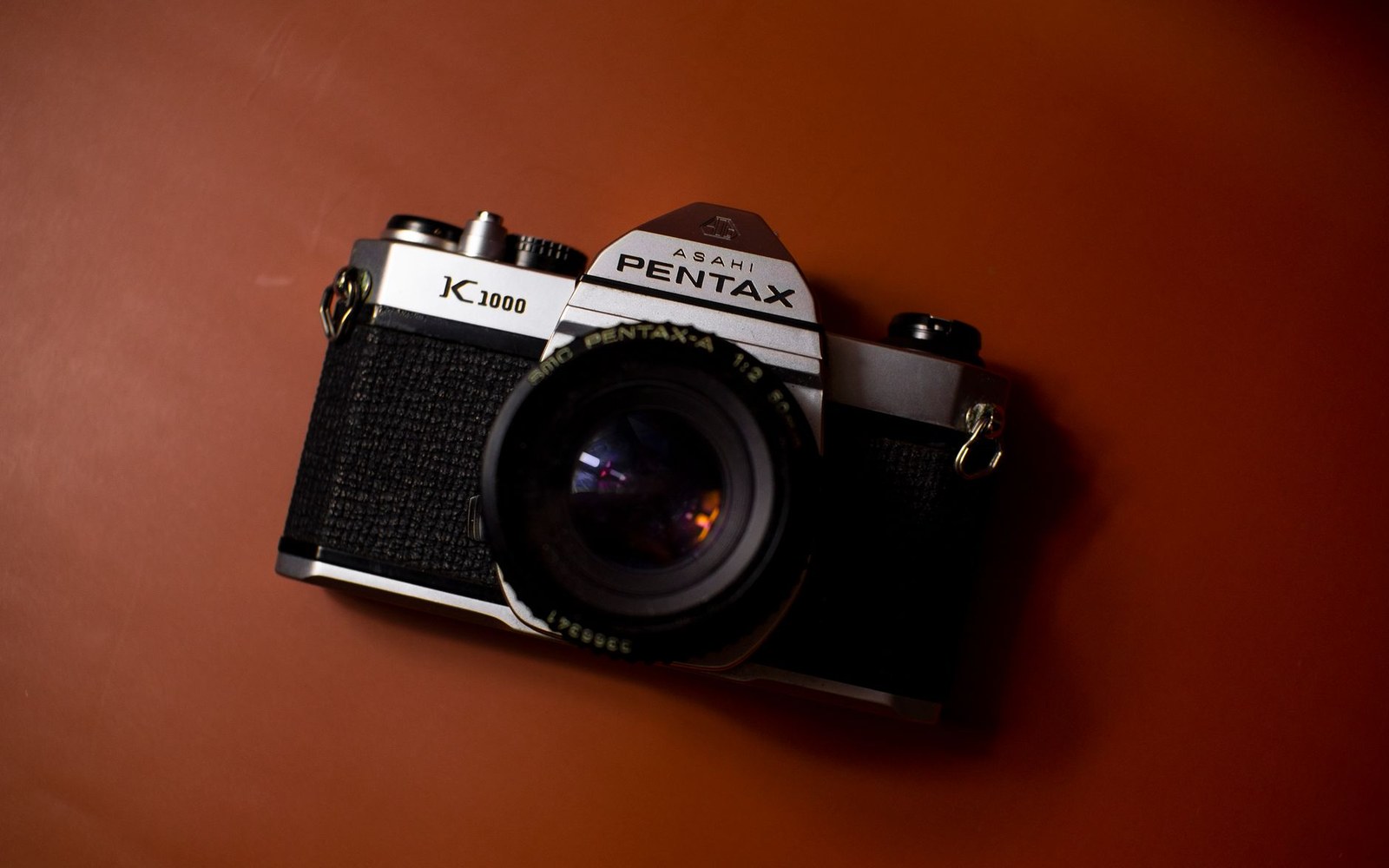
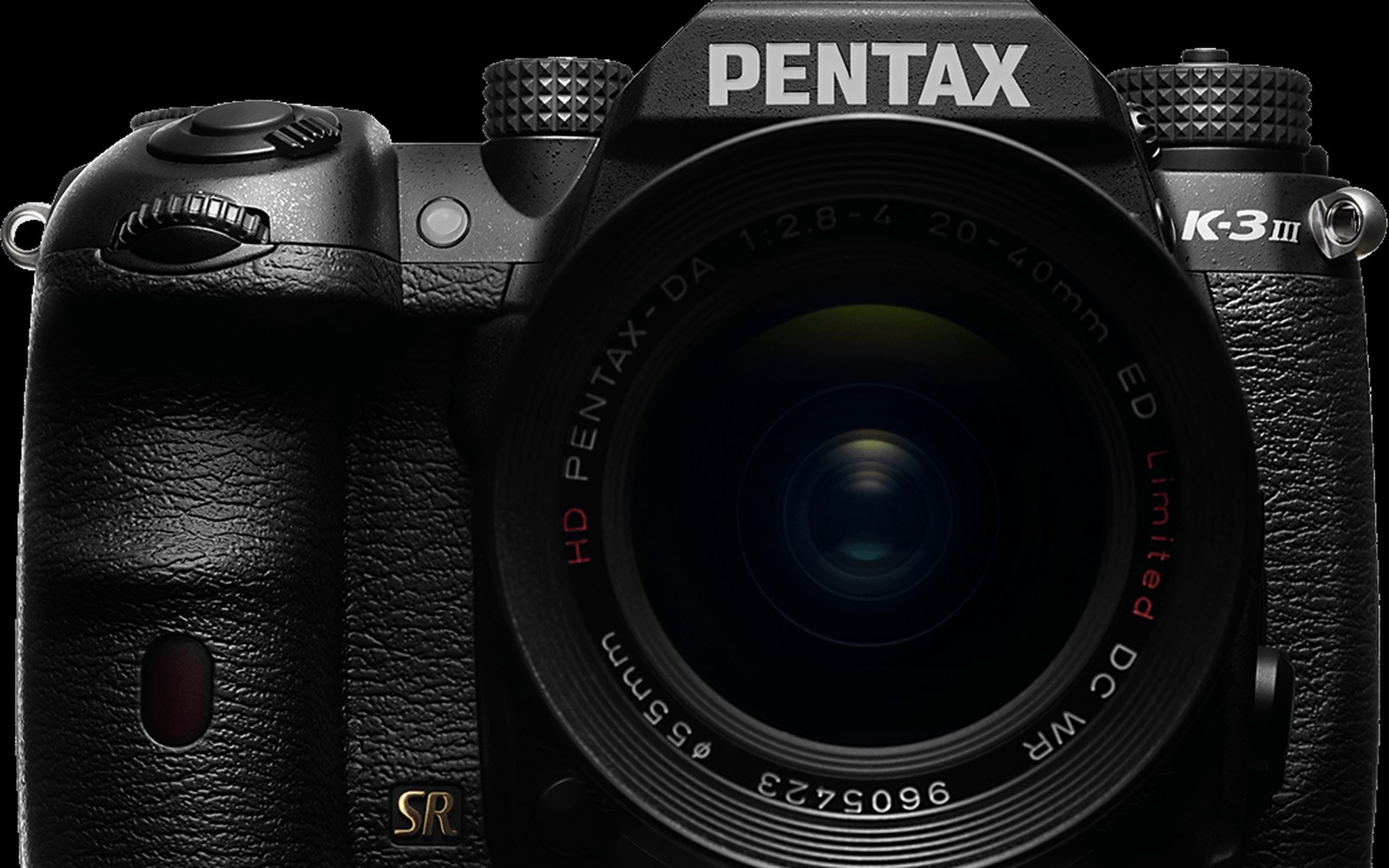
Ricoh's current K-mount digital lineup runs three bodies: the K-3 Mark III at the top, the KF in the middle, and the K-70 below it. The KF, introduced in 2022, shares its 24.2-megapixel APS-C CMOS sensor with the K-70 — not the 25.7-megapixel unit in the K-3 Mark III. The sensor difference is real but modest; the structural and mechanical differences between the KF and K-3 III are sharper.
The K-3 Mark III carries 95 weather-resistant seals across its magnesium-alloy body. The KF carries 100 in a polycarbonate body. Ricoh publishes a dustproof, weather-resistant specification for the KF, so the body keeps the claim that Pentax has used as a marketing anchor across its line; where the K-3 III pulls ahead is the magnesium-alloy shell rather than the seal count.
The KF's distinguishing addition is a fully articulating rear LCD, a feature absent from the K-3 III. The screen rotates on a side hinge, enabling low-angle and overhead framing — a practical concession to video and casual shooting use cases that the K-3 III's fixed panel does not cover. The KF also includes a built-in flash, which the K-3 III omits.
In-body image stabilisation is present on all three bodies, implemented through Ricoh's Shake Reduction mechanism — the same actuator system that, on the K-1 II, doubles as the basis for Astrotracer. On the KF the SR unit is rated to approximately 4.5 stops of compensation, less than the 5.5-stop figure Ricoh publishes for the K-3 III. Phase-detect autofocus is handled through the optical viewfinder path on all three bodies; none of the current K-mount lineup offers on-sensor phase-detect, which separates the entire line from mirrorless competitors.
Maximum continuous shooting on the KF is published at 6 frames per second, against 12 fps for the K-3 Mark III. Both accept SD cards; the K-3 III takes dual UHS-II slots while the KF provides a single UHS-I slot.
The CIPA shipment data shows the interchangeable-lens market contracting from its 2012 peak toward a much smaller steady-state volume, where multiple price tiers become harder to sustain. The KF's position — keeping weather sealing and adding articulation — reflects a specific calculation: keep the K-mount entry point accessible without cannibalising the K-3 III on the specifications that justify that body's price.
Where this comes from
- CIPA shipment data · www.cipa.jp